

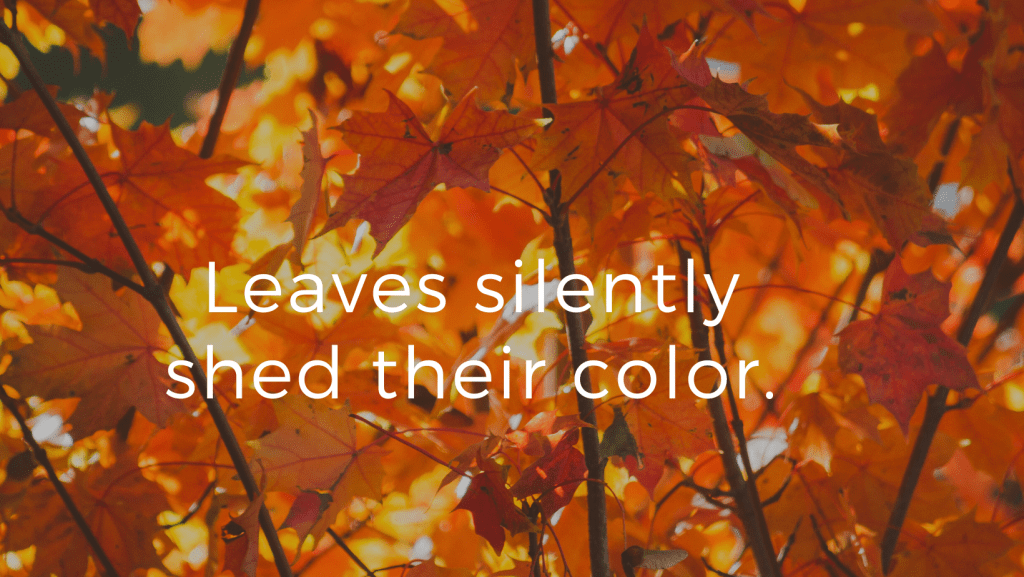
Prepare to be transported into the mesmerizing world of fall foliage, where nature’s paintbrush turns the ordinary into the extraordinary. Contrary to popular belief, this spectacular transformation isn’t a worldwide phenomenon – it’s a gift reserved for the deciduous trees found in eastern North America, western Eurasia, and northeastern Asia. If you’re an Eastern US resident, chances are you’ve marveled at these wondrous trees in your own backyard, from the graceful birches to the stately oaks.
Now, let’s dive into the intriguing world of leaves and their secrets. Have you ever wondered who came up with the idea of raking leaves? Some meticulous clean freak, presumably. I remember those days when all the neighbors meticulously raked their lawns and created towering leaf piles. The joy of children leaping into those leafy mountains is a cherished memory. And let’s not forget the autumn ritual of burning those piles, filling the air with a scent that defines the essence of fall.
But times have changed, and here’s a secret: you don’t need to tidy up those fallen leaves anymore. Leaving them alone is the new mantra, and here’s why.
Those fallen leaves on your lawn are more than just a scenic carpet. They naturally transform into mulch, silently suppressing weeds while enriching the soil as they gracefully decompose. In the winter, they become a haven for small critters like frogs, lizards, birds, and beneficial insects, who repay your hospitality by keeping pests in check and enhancing pollination in your garden and lawn. It’s heartwarming to think that you provide shelter on those chilly winter nights.
Don’t toss those leaves in the trash; add them to your compost pile. Compost, the gardener’s gold, can be used as mulch for your trees and plants, protecting them from the scorching summer heat and retaining vital moisture in the soil.
Smart gardeners know that raking leaves off their gardens is a no-no. Those decaying leaves are a feast for soil microorganisms, leading to happier, healthier plants. So, it’s time to rethink your leaf-raking strategy.
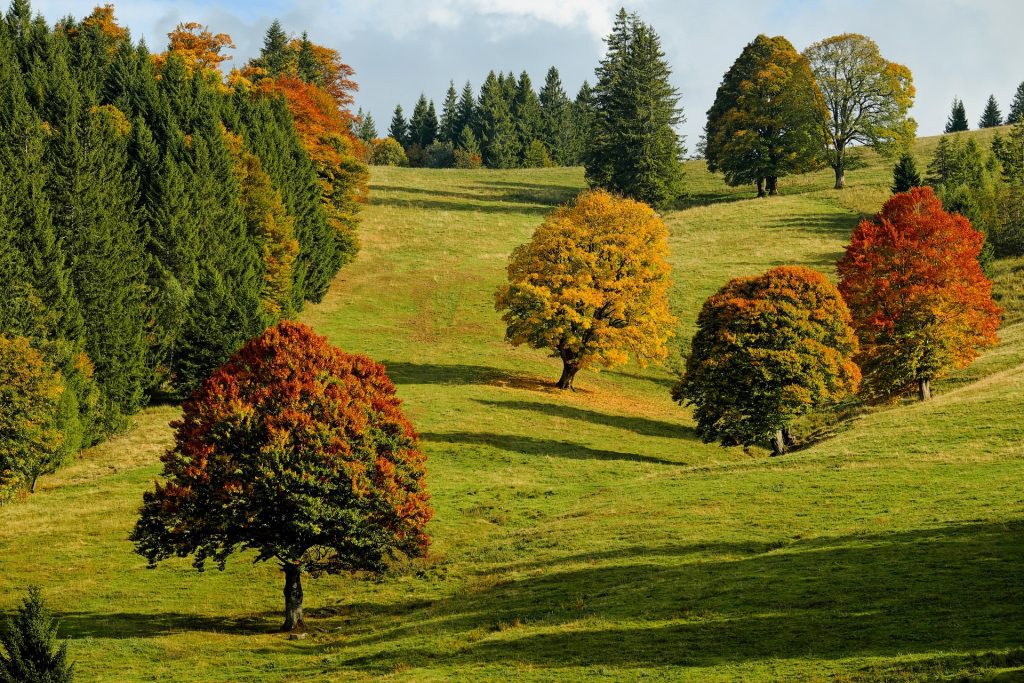
Now, let’s unlock the mystery of why leaves change color. Trees are not just passive giants; they’re dynamic, reacting to the world around them. As spring unfolds, their leaves begin as a vibrant light green, thanks to a pigment called chlorophyll. Chlorophyll is nature’s solar panel, helping leaves absorb sunlight and convert it into energy through photosynthesis.
When autumn arrives, trees initiate a grand transformation. They break down chlorophyll, revealing the nitrogen and other nutrients in the tree. These vital elements are sent down to the roots for storage during the winter. As the green chlorophyll departs, the leaves adorn themselves with warm hues of yellow and orange, thanks to carotenoids, natural protectors, and antioxidants.
But the reds, oh, the reds! They’re not present in all trees or year-round. A special red pigment, anthocyanins, comes to life as leaves begin their colorful display. This red magic is influenced by the weather – it craves sunny days and crisp nights to truly shine.
After absorbing all the nutrients, trees go through one last active phase called shedding. Regardless of whether the leaves appear dead or alive, they gracefully flutter to the ground, painting the earth with their vibrant colors.
The weather holds the key to the intensity and brilliance of fall foliage. It’s a subject of endless debate, but one thing is clear: those captivating red hues demand sunlight and cool nights. In regions where autumn reigns, windy days can strip trees of their colorful glory prematurely. For those lucky enough to reside in these zones or those who plan to visit, weather forecasts become a valuable tool.
If you’re itching to witness the breathtaking fall foliage, consult the Farmers’ Almanac’s fall color map, which provides insight into what to expect based on reports from their readers.
https://www.almanac.com/fall-foliage-color-map-when-peak-foliage
In conclusion, let’s make a pact to stop raking those enchanting leaves, let nature work its magic, and embrace the beauty and wonder of fall in all its colorful glory. It’s a season like no other, and the leaves on your lawn are more than just debris; they’re part of a natural masterpiece.
Sincerely,
Jackie Buckley